Music Volume for Narrated YouTube Shorts
Keep music under speech, check loudness on phone speakers and headphones, and avoid using music to hide a weak edit.
Ask AI about this guide
Setting the Baseline Level
The correct YouTube Shorts music volume is typically between -18dB and -24dB relative to the spoken narration, ensuring the voice remains the primary focus. This range keeps the background track supportive rather than distracting, allowing viewers to understand every word without straining. If the music competes with the speech, viewers will likely swipe away. The goal is not to eliminate the track but to sit it firmly beneath the human voice. Start by normalizing your narration to a consistent peak level, then adjust the music track until it fills the silence without masking consonants like "s" or "t".
Testing on Consumer Devices
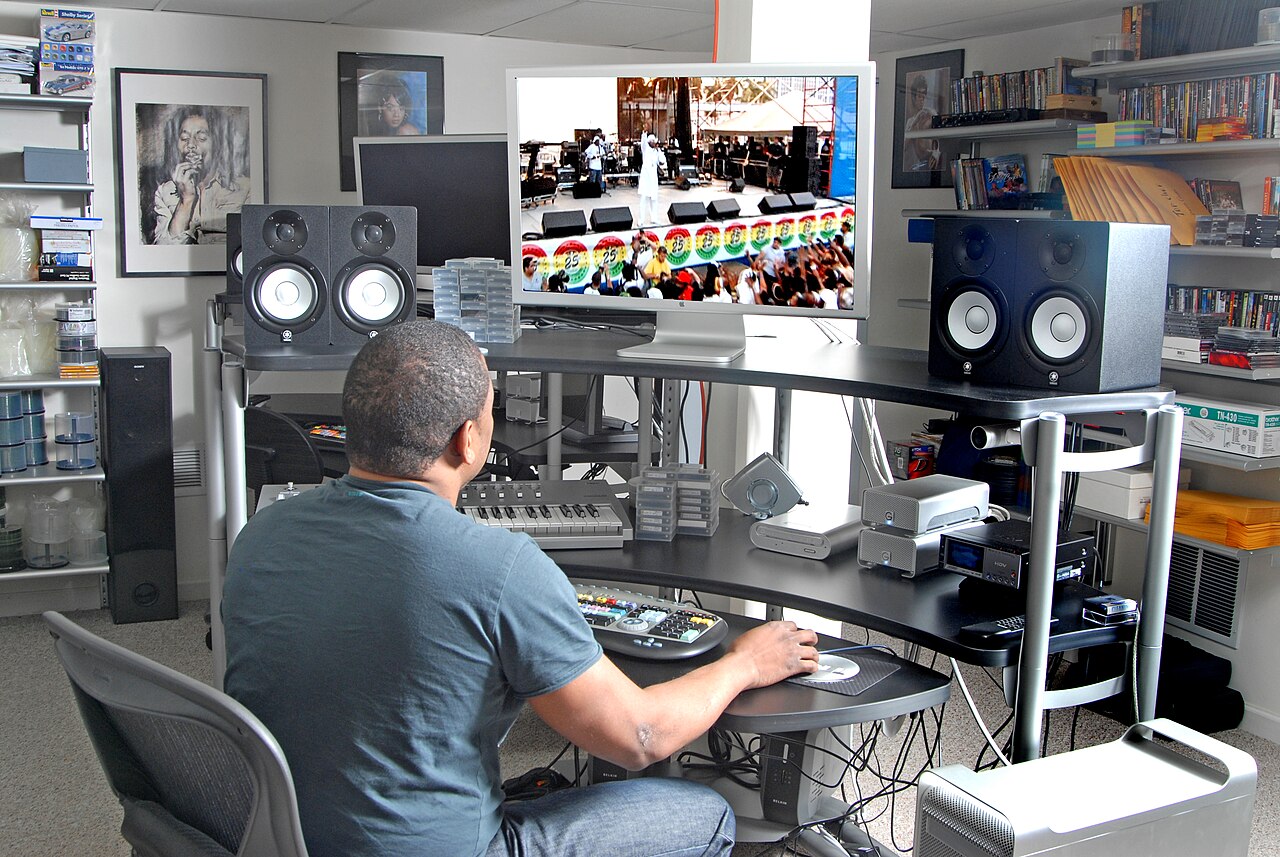
Studio monitors and high-end headphones can mask mixing errors that are glaring on standard consumer hardware. You must check the final mix on at least two types of small speakers found in typical viewing environments. First, listen on a smartphone speaker. The limited frequency response often reveals if the low end of the music is muddying the mid-range speech. Second, test on a pair of inexpensive wired or wireless earbuds. These devices often boost bass artificially, which can push the music into the vocal range. If the music feels heavy on the phone but thin on the earbuds, the mix is not balanced. A reliable check is to close your eyes and listen to the first three seconds. If you hear the music before the voice, the level is too high. If you cannot hear the music at all, it is too low.
- Phone speaker: Check for muddiness and bass buildup.
- Wired earbuds: Check for clarity and separation.
- Laptop speakers: Check for overall balance in a neutral environment.
Music as a Fix, Not a Feature
Do not use volume to compensate for poor editing. If the pacing of your video is slow or the visual cuts are jarring, turning up the music will not save the viewer's attention. It will only create a dissonant experience where the audio feels like a distraction from the visual disconnect. Music should enhance the rhythm of the edit, not hide its flaws. If you find yourself constantly adjusting the volume to make a weak section feel energetic, the issue is likely the edit itself. Trim dead air, tighten the cuts, and ensure the visual content matches the audio energy. A clean, well-edited video requires less musical support to feel engaging. The music should be a texture, not a crutch. If the video works without music, it will work better with it. If it does not work without it, more volume will not fix the underlying structural issues.
Automating the Mix
For creators producing many Shorts from long recordings, manual mixing for each clip is time-consuming and prone to inconsistency. Fresta offers a workflow that handles this automatically. It processes owned or licensed long videos and stream recordings into vertical 1080 by 1920 MP4 Shorts of about 30 seconds. The narrated workflow writes a script, uses a neural voice, burns in word-by-word captions, and mixes music. This ensures a consistent loudness profile across your channel. You can review the finished MP4 before publication to verify the balance meets your standards. Fresta can then upload and schedule these finished Shorts to your connected YouTube channel. This repeatable process removes the variable of manual audio adjustment, allowing you to focus on content selection and visual quality rather than technical audio mixing for every individual clip. Check the Pracandy studio notes for more on production workflows.